

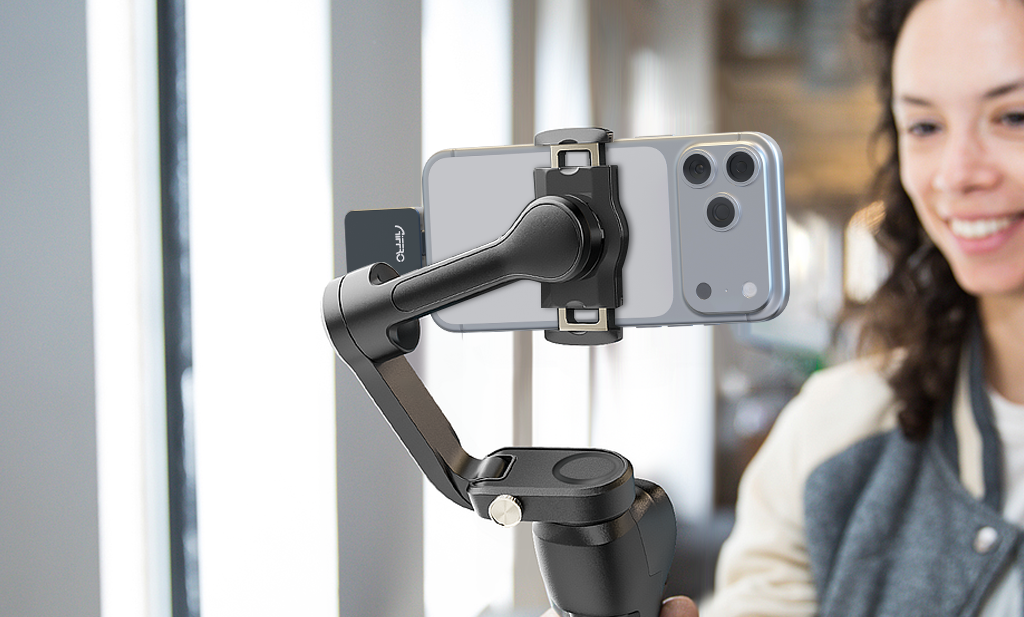
Why Material Matters in SSDs
When you pick a portable SSD, you probably pay close attention to storage capacity, read/write speeds, and compatibility. But there's another crucial factor that often goes overlooked: the material of the SSD’s enclosure. That outer shell isn’t just about aesthetics, it affects heat dissipation, physical durability, and even long-term reliability. With more creators, travelers, and mobile professionals relying on their drives as digital backpacks, the choice between a plastic or metal shell can significantly impact workflow. An aluminum SSD brings real, tangible benefits beyond just being nice to hold.
For anyone editing photos on the road, shooting video between flights, or transferring high-res assets from camera to laptop, the housing material becomes part of the performance. Now we’ll explore why aluminum is a premium choice for SSD enclosures and how that matters for creators, travelers, and everyday media workflows.
The Core Advantages of Aluminum in SSD Design
Aluminum isn’t chosen at random. It’s a carefully considered material that offers a powerful combination of thermal, structural, and weight-related advantages. That’s why it’s perfect for portable storage you take on the go.
Superior Heat Dissipation
One of the most important benefits of an aluminum SSD is its thermal performance. Inside a portable SSD, components like the controller and NAND flash can generate heat, especially during sustained transfers like large 4K/8K video files or big photo libraries. Aluminum, thanks to its high thermal conductivity, draws heat away from those internal components and spreads it across the casing.
This helps in two important ways:
- Temperature regulation: Instead of letting heat build up around the chips, the aluminum shell reduces thermal buildup, helping maintain stable operating temperatures.
- Performance consistency: Lower temperatures reduce the chance of thermal throttling, which means read/write speeds stay high even during prolonged transfers that are essential for smooth editing or backups on the go.
Structural Strength and Longevity
Aluminum is far sturdier than typical plastics used in budget SSD enclosures. That rigidity turns into real-world benefits:
- The metal shell resists bending, flexing, and warping, which means the internal SSD components stay protected even if the drive gets squeezed or twisted in a bag.
- Over time, repeated open/close cycles, pressure, or knocks are less likely to degrade the enclosure than with plastic.
- The durability of aluminum also helps protect against dust ingress and small shocks, which prolongs the lifespan of the drive.
Lightweight but Protective
Despite its strength and protective properties, aluminum remains relatively lightweight. That’s a key advantage for mobile workflows. If you’re traveling light, maybe with just a laptop, camera, and a few drives, you don’t want to add bulky weight. Aluminum strikes an ideal balance: protective enough for rugged use, yet portable enough to slip into a pocket or a compact carry-on.
Why Aluminum Matters for Creators and Travelers
For photographers, videographers, mobile filmmakers, or anyone constantly on the move, an aluminum SSD isn’t just a luxury. It’s a practical upgrade that can streamline workflow and safeguard data.
Stable Performance in Long 4K/8K Transfers
Imagine you’re on location, shooting hours of 4K video or high-resolution photos. Then comes the moment to back up or transfer large assets to your laptop. Without efficient heat dissipation, a poorly cooled drive can slow down mid-transfer, sometimes dramatically. With an aluminum SSD, the shell acts like a passive heatsink:
- Stable temperatures help maintain sustained write speeds, so transfers finish faster and consistently.
- That reliability reduces downtime, which is important if you’re pitching content, editing on location, or sending files off before catching a flight.
- For workflows involving large libraries (e.g. weddings, travel projects, time-lapses), this consistency can make a real difference.
Better Reliability in Outdoor or On-the-Go Conditions
Travel means unpredictability, from bumpy trains and dusty environments to shifting temperatures and tight carry-on spaces. Aluminum SSDs withstand these conditions better:
- They resist small drops, impacts, or pressure from packing.
- They manage temperature swings more gracefully, from a hot car to a cold studio, or from mid-day sun to chilly air-conditioned hotel rooms.
- Their sturdiness offers peace of mind that your precious data remains safe even when the journey gets rough.
Aluminum vs Plastic SSD Enclosures
To truly appreciate what aluminum brings, it helps to compare directly with the more common plastic enclosures.
|
Feature / Trait |
Aluminum SSD |
Plastic SSD |
|
Thermal conductivity |
High: dissipates heat well, reduces thermal buildup |
Low: poor heat dissipation may lead to overheating or throttling |
|
Structural strength |
Rigid, resistant to bending and impacts |
Flexible, more prone to cracking or warping under stress |
|
Longevity under rough use |
Durable over many cycles of transport and handling |
More likely to wear out or get damaged over time |
|
Weight efficiency (protection vs portability) |
Balanced: strong yet portable |
Light but less protective: riskier in rough handling |
|
Suitability for mobile / travel workflows |
Excellent, stable, durable, reliable |
Acceptable for casual use, not ideal for frequent travel |
From this comparison, it’s clear that aluminum SSDs deliver a superior combination of reliable performance, resilience, and portability, especially for creators and frequent travelers who put their drives through intense real-world use.
How Aiffro’s P20 Mini SSD Utilizes Aluminum Design
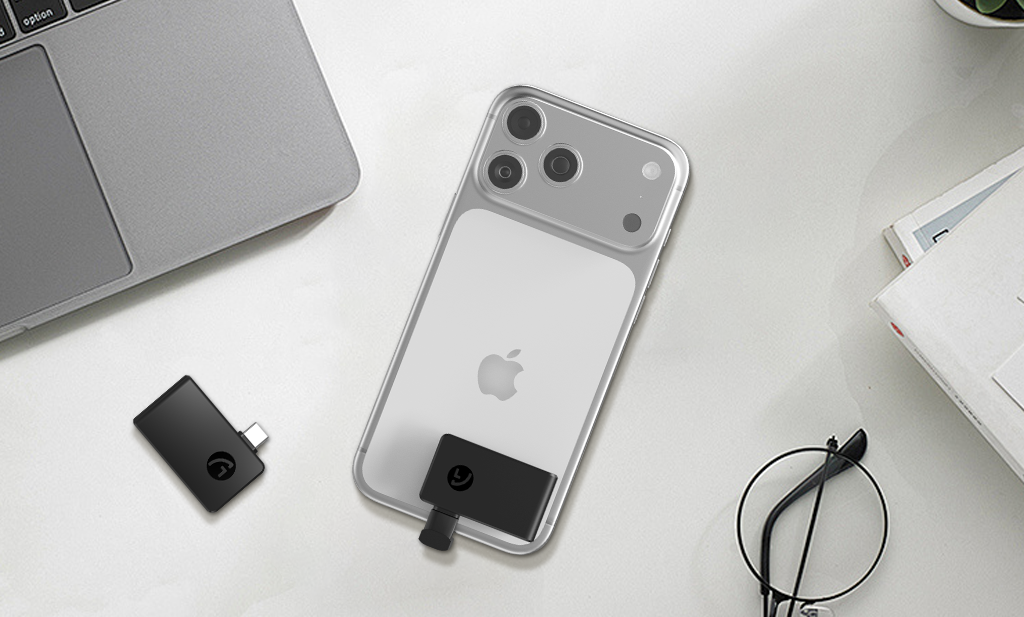
That’s where the Aiffro P20 Mini SSD comes in: a drive designed with mobile creators and travelers in mind. By building its compact storage solution with an all-metal aluminum enclosure, Aiffro ensures that users don’t have to compromise between performance, portability, and protection.
Pocket-Friendly Metal Build
The P20 Mini SSD is small enough to fit in a pocket or a camera bag but rugged enough to survive the bumps and knocks of travel. Its sleek aluminum body gives it a premium feel, and more importantly, real-world durability. For photographers hopping between locations, mobile filmmakers editing on a laptop in a café, or digital nomads who frequently move, that ruggedness adds significant peace of mind.
Thermal Efficiency for Consistent Speed
Because of its metal casing, the P20 Mini benefits from efficient passive cooling. That means when you’re transferring large shoots, whether full-resolution photos or high-bitrate video, the SSD is less likely to throttle. The result: smoother file transfers, faster backups, and more reliable editing performance on phones, tablets, or laptops. For creatives working against deadlines or curating content on the go, this efficiency is a genuine productivity booster.
If you want, learn more about P20 Mini SSD here
Conclusion
Choosing the right SSD is more than about storage capacity and advertised speeds. It’s also about how well the drive handles real-world conditions. An aluminum SSD offers a powerful mix of superior heat dissipation, structural strength, and portability, making it ideal for modern workflows. Whether you’re a photographer capturing moments in remote locations, a mobile filmmaker editing under pressure, or a traveler backing up memories on the go, aluminum enclosures give you reliable performance, long-term durability, and fewer worries about drive failures.
With its all-metal design, the Aiffro P20 Mini SSD delivers on those strengths: combining pocket-friendly portability with robust protection and consistent high-speed transfers. For anyone seeking dependable, travel-ready storage, an aluminum SSD offers the best blend of strength, cooling, and reliability to keep your data safe wherever you go.

Leave a comment
This site is protected by hCaptcha and the hCaptcha Privacy Policy and Terms of Service apply.