

シームレスなストレージの必要性の高まり
写真家が場所から場所へ移動したり、モバイル映画制作者がスマートフォンとドローンからのショットをやりくりしたり、日常のユーザーがタブレット、ラップトップ、スマートフォンの間を行き来したりする場合でも、複数のデバイスを扱うことに苦労した経験があるのではないでしょうか。ある瞬間はスマートフォンで撮影し、次の瞬間はラップトップで編集し、さらに次の瞬間はタブレットで確認するといったシャッフルの中で、ストレージは頭痛の種になります。ポートの不一致、外出先での遅い転送、カードリーダー、ハブ、アダプターの絶え間ない必要性は、簡単なタスクさえ複雑に感じさせます。おそらく、スマートフォンで4Kクリップを撮影し、ラップトップに移動しようとして、余分なアクセサリーなしでは何も接続できないことに突然気づくでしょう。または、ようやくスマートフォンのスペースを空けたのに、古いドライブが新しいタブレットに合わないことに気づくでしょう。これらの小さな遅延はあっという間に積み重なります。まさにそのような状況で、デュアルインターフェースSSDが生活を楽にしてくれます。LightningとUSB-Cを1つのデバイスでサポートすることで、ポートの問題、互換性のないフォーマット、不要なケーブルを回避でき、ファイル転送を高速化し、より信頼性が高く、ワークフローを中断することなくスムーズにします。
デュアルインターフェースSSDの違いとは
デュアルインターフェースSSDの核となるのは、Lightningコネクタ(古いまたは現在のiPhone/iPad用)とUSB-C(最新のラップトップ、タブレット、Androidデバイス用)という2種類の物理的な接続タイプを備えていることです。この2ポート設計により、アダプター、ドングル、または異なるデバイス用に複数のドライブを持ち運ぶ心配がなくなります。
さらに、このカテゴリーのブランドは通常、外出先での複数デバイスでの現場使用のために作られているため、より高速な転送速度、頑丈なフォーマット、携帯性に最適化されています。例えば、Aiffroは最大1000 MB/sのシーケンシャル読み書き速度を提供し、デュアルインターフェースと堅実なパフォーマンスを兼ね備えています。
このデュアルインターフェース設計は、新しいデバイスと古いデバイスの両方で機能します。Lightningデバイスも持っているが、USB-Cラップトップやタブレットも使用している場合でも、問題ありません。Androidフォン、Windowsラップトップ、iPadの間で切り替える場合でも、機能します。異なるデバイスエコシステム間の障壁を単純に減らします。
「ただ機能する」クロスデバイス互換性
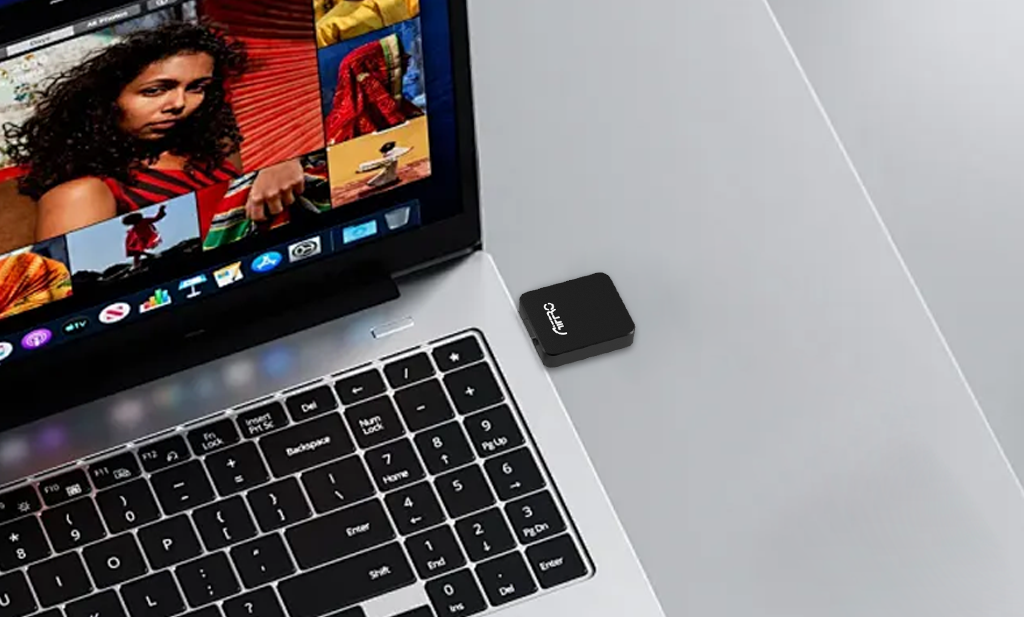
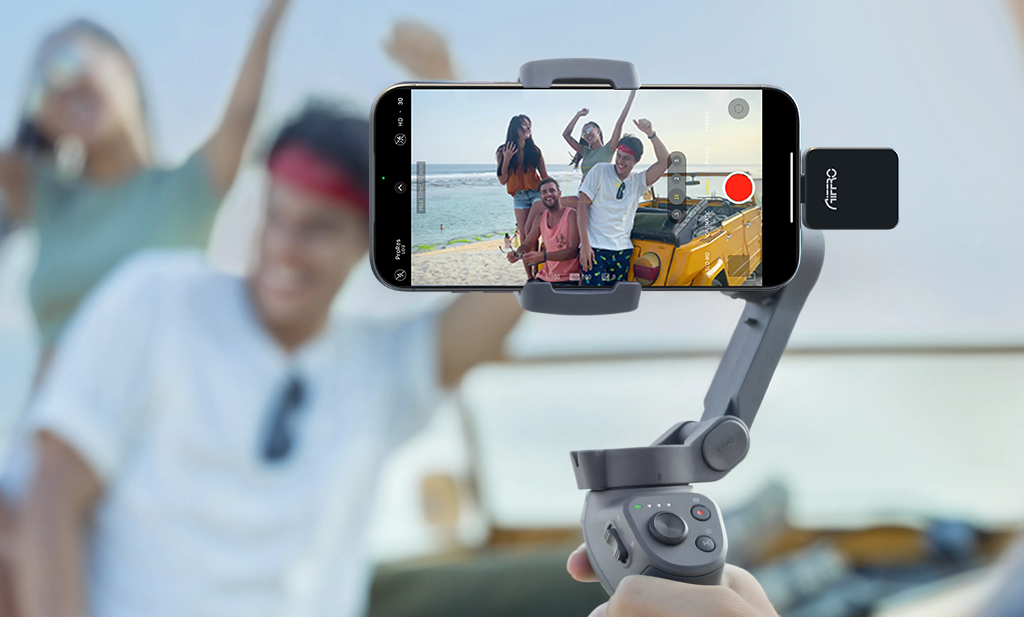
デュアルインターフェースSSDを使用すると、異なるデバイスシステム間で機能する互換性を得られます。Lightning経由でiPhoneやiPadに接続し、クリップや写真を直接バックアップします。その後、USB-C MacBookまたはWindowsラップトップに接続して編集または保存します。
その後、AndroidタブレットまたはUSB-Cカメラでさらに作業を進めます。
重要なのは、そのプロセス全体で単一のドライブがどこでも機能することです。置き忘れるアダプターも、互換性のないポートを探し回ることも、外部ストレージに移動する際に最初にラップトップにコピーするような余分な手順もありません。
スマートフォンからカメラ、ラップトップ、タブレットへとスムーズにデバイス間を移動するクリエイターにとって、デュアルインターフェースSSDは障壁ではなく、ワークフローを解放する存在となります。
デュアルインターフェースSSDが実際のワークフローをどのように変えるか
デュアルインターフェースSSDは、あらゆる種類のユーザーに最適です。クリエイター、旅行者、そして日常のユーザーにとって、これがどのように機能するかを実際の例で見てみましょう。
写真家の場合、DSLRでRAWファイルを撮影し、クライアントと共有したりオンラインに投稿したりするために、素早くiPadにプレビューを送信します。デュアルインターフェースSSDを使用すると、USB-C経由でiPadに直接接続したり、Lightningポートを使用してiPhoneに接続したりして、RAW + JPEGファイルをその場でバックアップできます。後で、同じ小型ドライブをラップトップに切り替えて、カードリーダーなしで完全に編集を開始できます。これは、より高速なバックアップ、持ち運ぶアクセサリーの削減、メモリーカードやドングルを紛失する可能性の低減を意味します。カフェ、空港、山頂の展望台の間を移動している場合でも、常に機動性を保ち、柔軟に対応し、撮影準備ができています。
そして、これはクリエイターだけのためではありません。日常のユーザーは、古いLightning iPhone、新しいUSB-Cスマートフォン、またはまだUSB-Aを使用しているラップトップなど、古いデバイスと新しいデバイスの間を絶えず切り替えています。デュアルインターフェースSSDは、これらすべてを簡単に橋渡しします。アダプターなし、複数のドライブをやりくりする必要もありません。データの移行、思い出のバックアップ、ガジェットの世代を超えたファイルの共有を驚くほどシンプルにします。テクノロジーの摩擦を減らし、日常の利便性を高めたいすべての人にとって、スマートなアップグレードです。
マルチデバイスワークフローにおけるAiffro P20 Mini SSD
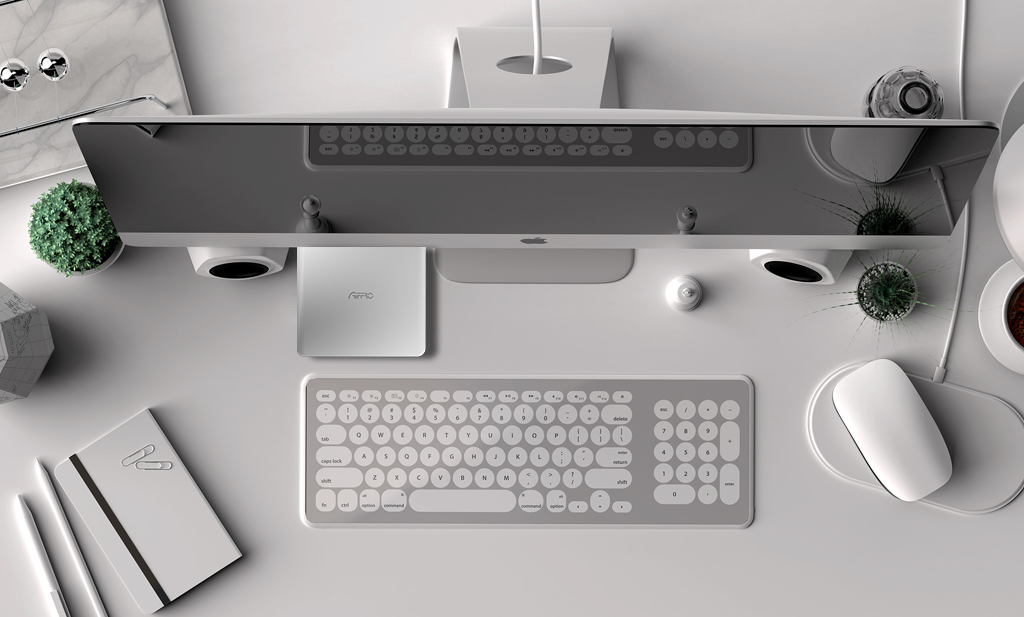
デュアルインターフェースSSDの中で、際立ったブランドが1つあります。それは、Aiffro P20 Mini SSDです。LightningとType-Cに対応する世界初のミニポータブルSSDであり、スピードと柔軟性を求めるクリエイター、旅行者、日常のユーザー向けに設計された、コンパクトでポータブルな高性能デュアルインターフェースドライブです。P20は最大1000 MB/sの読み書き速度をサポートし、デバイス間でのシームレスな使用のために構築されています。現場でタブレットと一緒に使用し、編集のためにラップトップに切り替え、外出先での転送のためにスマートフォンに接続することができ、アダプターを接続したり、ドライブがデバイスに合わないことを心配したりする必要がありません。
P20 Mini SSDがマルチデバイスセットアップに適合する理由
P20 Mini SSDがこのワークフローにどのように適合するかを詳しく見ていきましょう。
- 携帯性:非常に薄く軽量で、わずか14g。旅行、ロケーション撮影、モバイル編集に最適です。
- 高速転送:最大1000 MB/sの読み書き速度で、大容量のメディアファイル(4K、RAW、ProRes)をデバイス間で迅速に移動できます。
- デュアルインターフェース互換性:LightningとUSB-Cの両方に対応しており、古いデバイスと新しいデバイスをシームレスに橋渡しします。
- 旅行に強い構造:ドライブの頑丈なデザインとミニフォームファクターにより、持ち運ぶギアが少なくなり、破損する可能性も低く、外出先での信頼性が向上します。
まとめると、ワークフローがスマートフォン、タブレット、ラップトップ、カメラにまたがる場合、このクロスデバイス互換性は本当に重要です。P20 Mini SSDは、クリエイター、旅行者、日常のユーザーに最適な選択肢であり、デバイス間でファイルを移動したり編集したりする際の摩擦を軽減するのに役立ちます。P20 Mini SSDについてさらに詳しく知りたい場合は、aiffro.comのウェブサイトをご覧ください。
デバイス間でよりシンプルで高速な作業方法
もはや、仕事で1つのデバイスや1つのシステムだけを使用する時代ではありません。スマートフォンで撮影したり、ラップトップで編集したり、外出先でタブレットから共有したりする場合でも、邪魔になるのではなく、対応できるストレージが必要です。デュアルインターフェースSSDは、その柔軟性を提供します。1つのドライブ、複数のポート、はるかに少ないアダプター、そして遅延もありません。
クリエイター、旅行者、日常のユーザーにとって、それは機材やケーブルに時間を費やすことが減り、本当に重要なことに時間を費やすことができることを意味します。Aiffro P20 Mini SSDは、このテクノロジーが実際にどのように機能するかを示す素晴らしい例です。小さく、高速で、あらゆるデバイスで機能します。ぜひ試してみてください。デバイスを切り替えるたびにその違いに気づくでしょう。

コメントを書く
このサイトはhCaptchaによって保護されており、hCaptchaプライバシーポリシーおよび利用規約が適用されます。