

Mini NAS vs Traditional NAS
When comparing Mini NAS vs Traditional NAS, the decision often comes down to performance, size, and long-term scalability. A NAS (Network Attached Storage) device connects to your network and allows multiple users or devices to store, access, and back up data from one centralized location. From home offices to enterprise environments, NAS systems play a crucial role in modern data management.
As storage demands grow, especially for photographers, video editors, and businesses handling large datasets, users naturally compare mini NAS and traditional NAS options. The right choice depends on your workflow, space constraints, and performance expectations. Understanding the core differences between these two categories helps ensure you invest in storage that supports both your current needs and future growth.
What Is a Mini NAS?
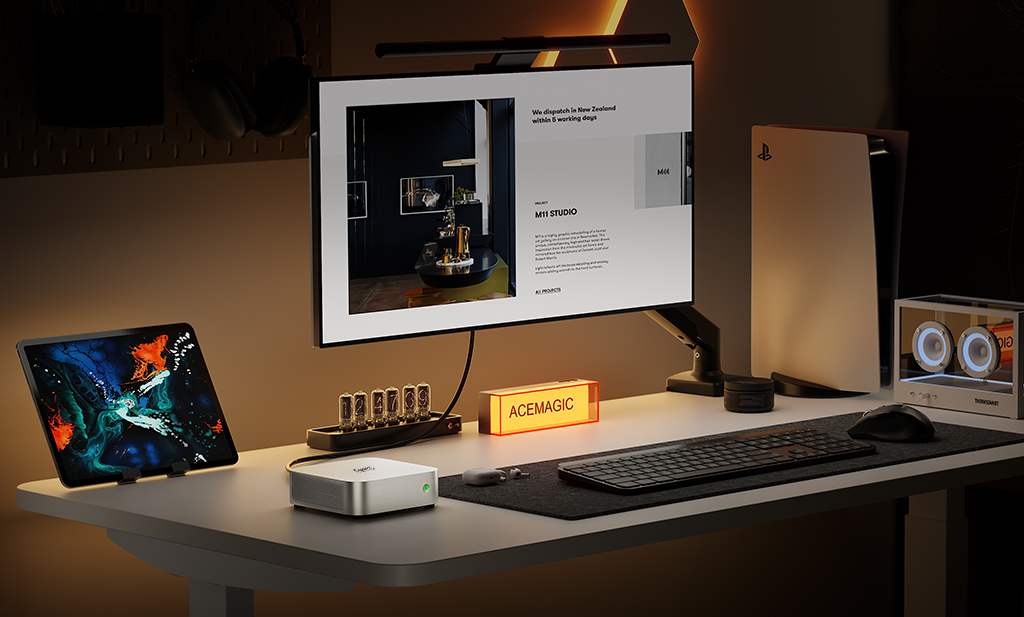
A mini NAS is a compact, space-saving network storage solution designed for speed, efficiency, and simplicity. Unlike bulky tower or rackmount systems, mini NAS devices are typically small enough to sit quietly on a desk. Many modern models feature SSD-based architectures, delivering faster read and write speeds compared to traditional hard drive systems.
Because of their smaller footprint and optimized hardware, mini NAS devices consume less power and generate less heat. This makes them especially appealing to home users, remote workers, and creative professionals who want reliable storage without dedicating an entire server room to it.
Key Features of a Mini NAS
Mini NAS systems stand out due to several practical advantages:
- Compact and portable design – Easy to place on a desk or move between workspaces.
- All-SSD architecture – Faster data access, lower latency, and improved reliability.
- Quiet operation – Minimal fan noise compared to HDD-based systems.
- Energy efficiency – Lower power consumption for continuous operation.
For example, the Aiffro K100 All-SSD Mini NAS is built entirely around SSD storage, eliminating the mechanical noise associated with spinning hard drives. This makes it ideal for environments where silence matters, such as home studios or editing suites.
Ideal Use Cases for Mini NAS
Mini NAS devices are best suited for users who prioritize speed and convenience over massive raw capacity. Common scenarios include:
- Home offices managing documents and backups
- Professional photographers handling high-resolution image libraries
- Video editors working with 4K footage
- Small creative studios collaborating on shared projects
- Remote teams needing fast and secure file access
In these cases, fast file transfers and low latency matter more than housing dozens of hard drives. A mini NAS delivers exactly that balance.
What Is a Traditional NAS?
A traditional NAS is a larger storage system designed for high capacity and extensive scalability. These systems typically use multiple HDD bays and can be configured with various RAID setups to protect and manage data across several drives.
Unlike mini NAS devices, traditional NAS systems often come in tower or rackmount formats. They are commonly deployed in data centers or server rooms where physical space and noise levels are less of a concern. Their primary strength lies in long-term expansion and archival storage capabilities.
Key Features of Traditional NAS Systems
Traditional NAS systems are built for scale and flexibility. Key characteristics include:
- Multi-bay configurations (4, 8, 12+ drive bays)
- Flexible RAID support for redundancy and data protection
- High raw storage capacity using large-capacity HDDs
- Enterprise expansion options, including additional expansion units
These systems are ideal for organizations managing vast datasets, especially when cost per terabyte is a primary consideration.
Ideal Use Cases for Traditional NAS
Traditional NAS solutions are commonly used for:
- Enterprise-wide backups
- Long-term archival storage
- Large-scale data centers
- Media production houses with petabytes of raw footage
- Growing companies requiring significant storage expansion
If your storage needs revolve around capacity and scalability above all else, traditional NAS may be the logical choice.
Mini NAS vs Traditional NAS: Head-to-Head Comparison
To better understand Mini NAS vs Traditional NAS, let’s compare them directly across key categories.
Size and Portability
Mini NAS systems are compact and desktop-friendly. They require minimal space and can operate comfortably in small offices or home environments. In contrast, traditional NAS devices often come as bulky towers or rackmount systems that require dedicated shelving or server racks.
For users with limited workspace, a mini NAS offers a clear advantage in convenience and flexibility.
Performance: SSD vs HDD
Performance is one of the biggest differentiators in the mini NAS vs traditional NAS debate. SSD-based mini NAS systems, such as the Aiffro K100 All-SSD Mini NAS, provide significantly faster read and write speeds compared to HDD-based setups.
All-SSD designs reduce latency, improve file transfer speeds, and handle demanding workloads like 4K video editing or large RAW photo libraries more efficiently. Traditional HDD-based NAS systems, while cost-effective for capacity, cannot match SSD performance for speed-intensive workflows.
Power Consumption and Noise
Mini NAS devices generally consume less power due to fewer components and SSD-based architecture. They also produce minimal noise since SSDs have no moving parts.
Traditional NAS systems, especially multi-bay HDD arrays, require more power and active cooling. Spinning disks and additional fans can generate noticeable noise, something to consider for office or studio environments.
Scalability and Expansion
Traditional NAS clearly leads to scalability. You can add more drives, upgrade RAID configurations, and attach expansion units as storage needs grow.
Mini NAS systems typically have limited drive bays, meaning expansion options are more restricted. However, for many small teams and creative professionals, the available capacity is more than sufficient, especially when paired with high-speed SSD storage.
How All-SSD Mini NAS Is Changing Modern Storage
The shift toward SSD-only designs is reshaping how people think about network storage. Modern workflows demand faster access to large files, smoother collaboration, and reduced downtime. All-SSD mini NAS systems address these needs directly.
The Aiffro K100 All-SSD Mini NAS exemplifies this transition. By focusing entirely on SSD technology, it delivers consistent performance, improved durability, and lower power consumption. For professionals working with time-sensitive projects, speed is no longer optional, which is essential.
Why Professionals Are Moving Toward Compact SSD NAS
Video editors, photographers, and tech-savvy teams increasingly prefer compact SSD NAS solutions because they:
- Reduce project load times
- Accelerate file transfers across teams
- Operate quietly in studio environments
- Fit seamlessly into modern minimalist workspaces
Rather than building large server rooms, many creative professionals now prioritize performance density—maximum speed in minimal space.
Which One Should You Choose?
Choosing between mini NAS vs traditional NAS ultimately depends on workload, budget, physical space, and future growth expectations.
If speed, silence, and energy efficiency are your top priorities, a mini NAS may be the smarter investment. If long-term expansion and massive storage pools are essential, traditional NAS offers more room to grow.
Best Choice for Home and Small Teams
For households, freelancers, photographers, and small creative studios, a mini NAS often delivers the best balance of performance and convenience. Compact design, SSD speed, and quiet operation make it ideal for everyday productivity and collaborative projects.
Best Choice for Growing Enterprises
For enterprises managing large backup infrastructures or archival systems, traditional NAS provides the scalability and redundancy required for long-term data strategies. When storage demands are unpredictable and expanding rapidly, multi-bay systems offer flexibility.
Making a Future-Proof Storage Decision
The comparison of Mini NAS vs Traditional NAS highlights a clear trade-off: compact speed versus large-scale capacity. Mini NAS systems emphasize performance, low power consumption, and quiet operation. Traditional NAS systems focus on scalability and cost-effective bulk storage.
Before choosing, evaluate your workflow, space constraints, and long-term data growth. For many modern professionals and small teams, all-SSD mini NAS solutions like the Aiffro K100 provide a forward-thinking balance of speed, reliability, and efficiency, without the bulk of traditional systems.



Hinterlasse einen Kommentar
Diese Website ist durch hCaptcha geschützt und es gelten die allgemeinen Geschäftsbedingungen und Datenschutzbestimmungen von hCaptcha.